
Maslow's Hierarchy: A Manager's Guide to Employee Potential
Sep 27, 2024
As a manager, your primary goal is to create an environment where your team can thrive and perform at their best. But how do you achieve this? The answer might lie in a psychological theory developed over 70 years ago: Maslow's Hierarchy of Needs.
 Understanding Maslow's Hierarchy
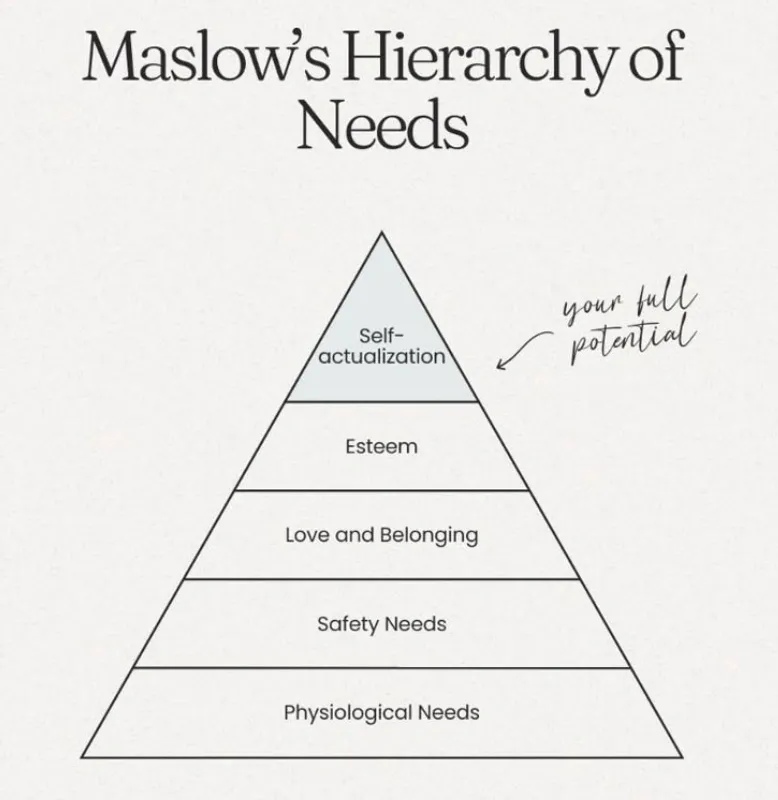
Abraham Maslow proposed that human needs can be organized into a hierarchy, often depicted as a pyramid. From bottom to top, these needs are:
- Physiological
- Safety
- Belongingness and Love
- Esteem
- Self-Actualization
While this theory was initially developed to understand human motivation, it has profound implications in the workplace. Let's explore each level and how you, as a manager, can apply this knowledge to support your team.
Physiological Needs
At the workplace, this translates to basic comfort and sustenance.
How to support: Ensure a comfortable work environment with proper lighting, temperature control, and ergonomic furniture. Provide access to water and encourage regular breaks.
Signs of struggle: Frequent complaints about physical discomfort, increased sick days, or low energy levels.
Safety Needs
In a work context, this relates to job security, physical safety, and psychological safety.
How to support: Communicate clearly about job security, implement robust health and safety measures, and create a psychologically safe environment where employees feel comfortable expressing opinions and concerns.
Signs of struggle: Anxiety about job stability, reluctance to speak up in meetings, or excessive worry about making mistakes.
Belongingness and Love Needs
This level is about social connections and feeling part of a team.
How to support: Foster team bonding through collaborative projects and social events. Encourage open communication and create opportunities for cross-departmental interaction.
Signs of struggle: Social isolation, lack of team participation, or expressed feelings of loneliness.
Esteem Needs
This involves recognition, respect, and a sense of contribution.
How to support: Provide regular, meaningful feedback. Recognize achievements publicly and privately. Offer opportunities for skill development and increased responsibilities.
Signs of struggle: Decreased confidence, seeking constant reassurance, or a drop in productivity.
Self-Actualization
At this highest level, employees seek to reach their full potential and find meaning in their work.
How to support: Provide challenging projects, opportunities for creativity, and autonomy in decision-making. Support personal and professional growth initiatives.
Signs of struggle: Expressions of boredom, lack of initiative, or disengagement from work.
The Manager's Role
As a manager, your role is to:
- Observe: Regularly check in with your team members. Look for signs of struggle at each level.
- Listen: Create an open-door policy where employees feel comfortable sharing their concerns.
- Act: Address issues promptly. Sometimes, small changes can have a big impact on employee satisfaction and performance.
- Prevent: Proactively work on creating an environment that addresses needs at all levels of the hierarchy.
Remember, every employee is unique. While Maslow's hierarchy provides a helpful framework, it is essential to treat each team member as an individual with specific needs and motivations.
By understanding and applying Maslow's Hierarchy of Needs in your management approach, you're not just addressing problems—you're creating an environment where employees can thrive, leading to increased productivity, creativity, and overall success for your team and organization.
How will you start applying this framework in your management practice today?
Share this post: